05 Sep Nicole Hassler
Nicole Hassler
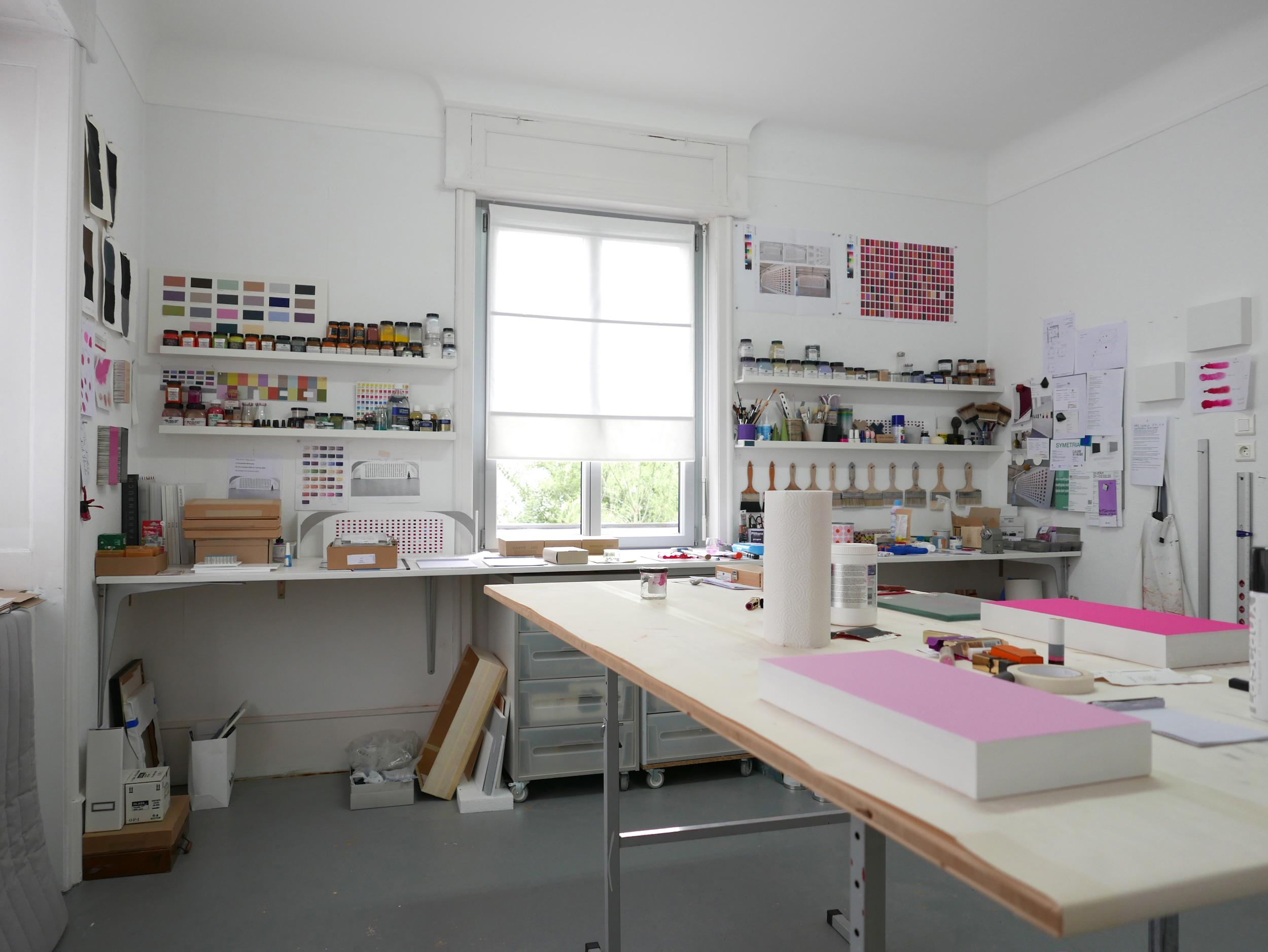
1953
Born in Geneva
Studio in Saint-Louis, France
1977
Master in Interior Architecture, EAA (HEAD), Geneva, Switzerland
1980
Abschluss in Bildender Kunst an der ESBA in Genf
1981
Residenc: Boston, Massachusetts, USA
1987
Geneva Scholarships, City Prize, Geneva, Switzerland
2000
Landis & Gyr Grant, Zug Cultural Foundation, Berlin, Germany
seit 2025
represented by Galerie Klaus Braun, Stuttgart
current exhibition
⇒ 2026 FARBMALEREI ANDERS
Öffentliche Sammlungen
MAMCO, Geneva, Switzerland
Fonds Cantonal d’Art Contemporain, Geneva, Switzerland
Fonds d’Art Contemporain de la Ville de Genève, Switzerland
Banque Mirabaud & Cie, Geneva, Switzerland
Banque Cantonale Genevoise, Geneva, Switzerland
Rolex Foundation, Geneva, Switzerland
City Basel-Landschaft, Basel, Switzerland
Kanton Basel-Landschaft, Basel, Switzerland
Musée des Beaux-Arts, La Chaux-de-Fonds, Switzerland
Musée des Beaux-Arts, Grenoble, France
Tucson MOCA, Arizona, USA
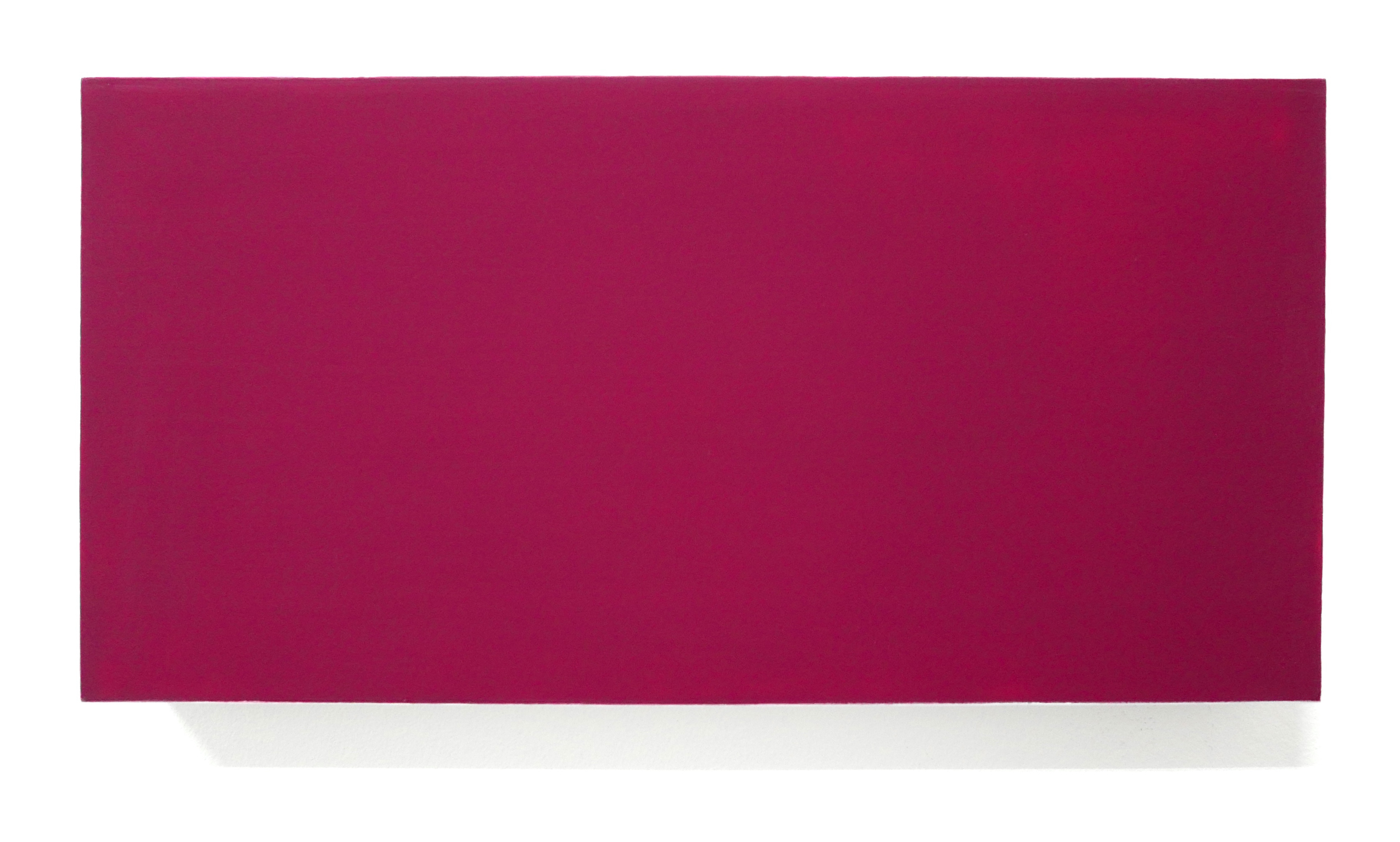
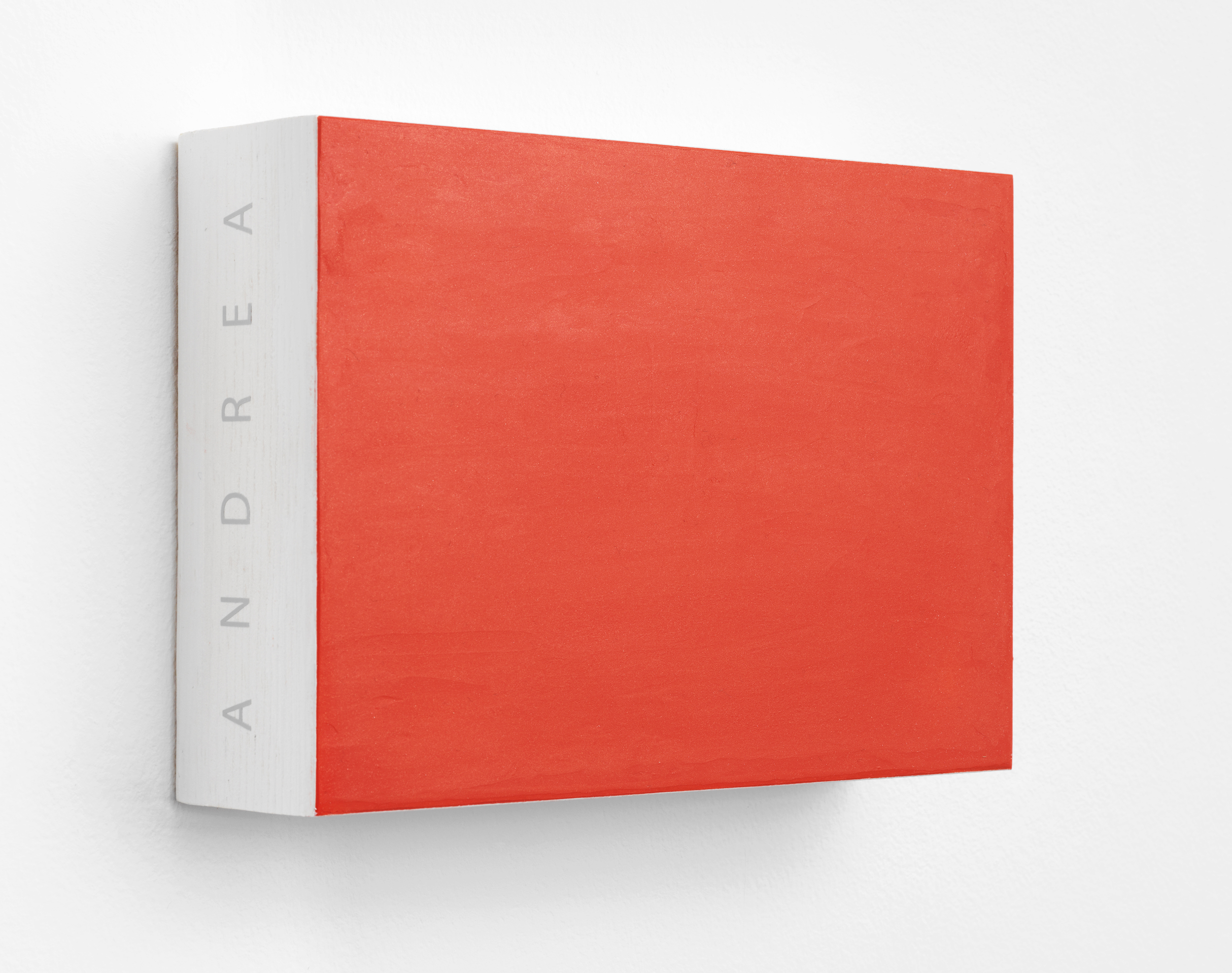
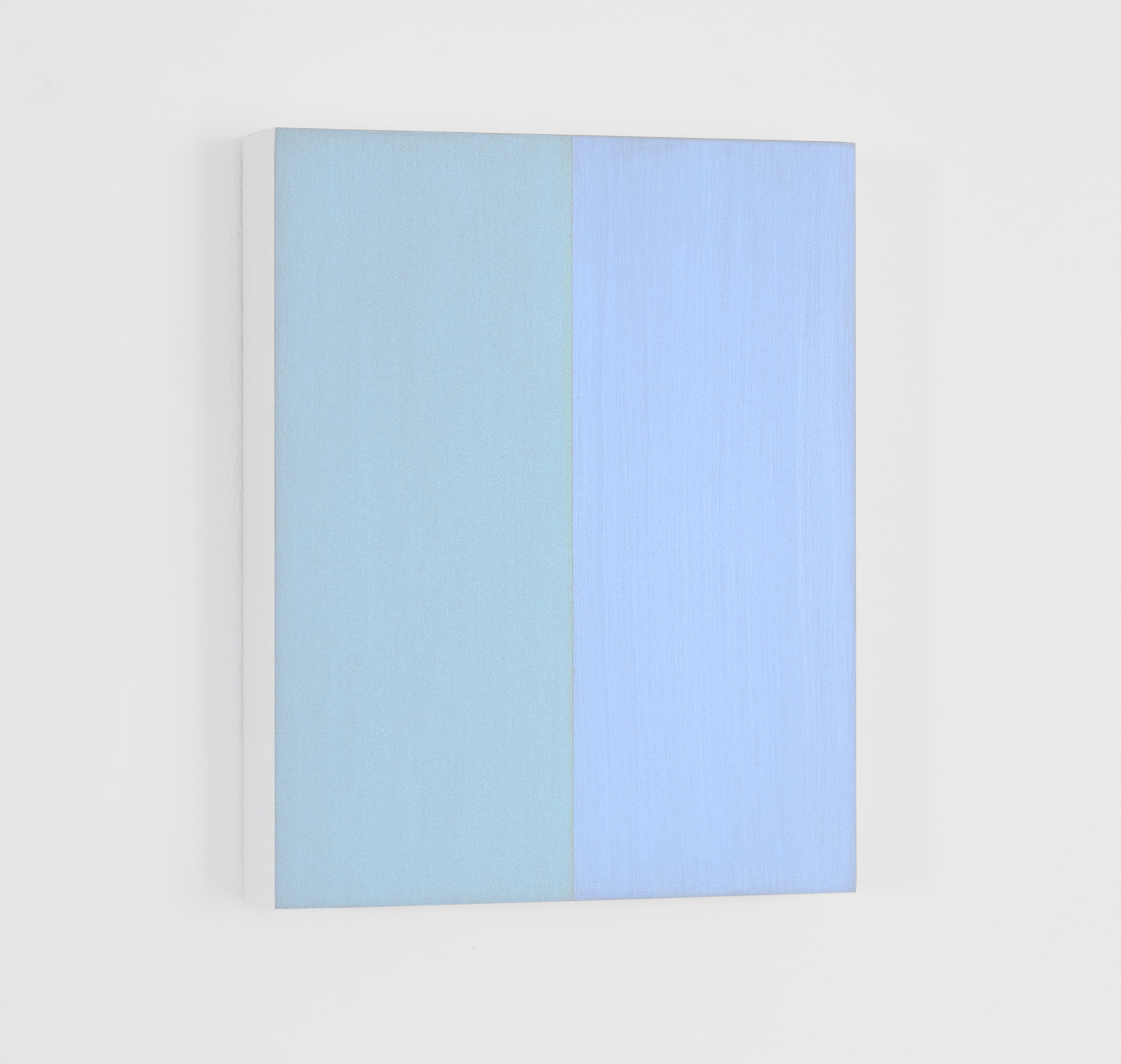
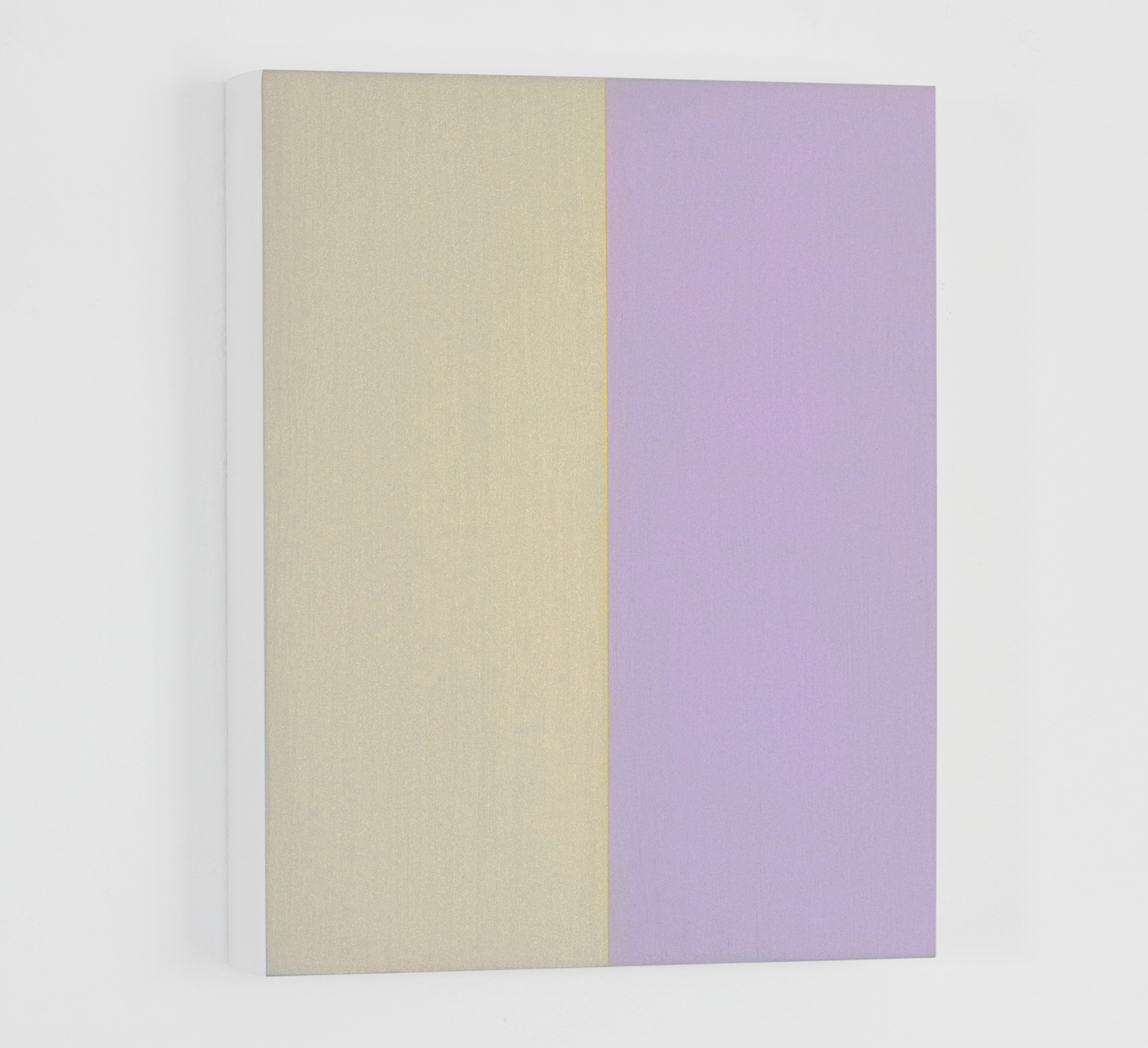
For several decades, Nicole Hassler has been transforming cosmetic products – categorised as inherently feminine – into art. In doing so, she neither adopts a feminist stance nor its opposite, nor does she pass judgement on these commercial products. One might say that she takes a stand against waste. However, her primary concern is to use these materials as a painting technique and to act as a painter by reflecting on fundamental aspects of painting.
Françoise Ninghetto (excerpt from catalogue text)
The current artworks were created using mica pigments. Mica is a mineral that can be split into very thin, reflective layers. In pigments, mica often produces a pearlescent, shimmering or metallic effect. What is interesting is how the colour changes depending on the viewing angle:
– when viewed head-on, the surface may appear relatively calm and uniform,
– when viewed in side light, it may suddenly begin to shimmer, and
– the surface appears to change its colour or brightness.
As a result, the image becomes less a ‘depicted colour’ and more a physical colour phenomenon.
In terms of material properties, cosmetics and artists’ pigments are closer to one another than one might initially think: Hassler herself points out that cosmetics manufacturers source their base pigments from the same or comparable sources as artists.
In doing so, she transforms a material that is actually intended for the skin into a material for painting.